Frequent Breakdowns and Repairs
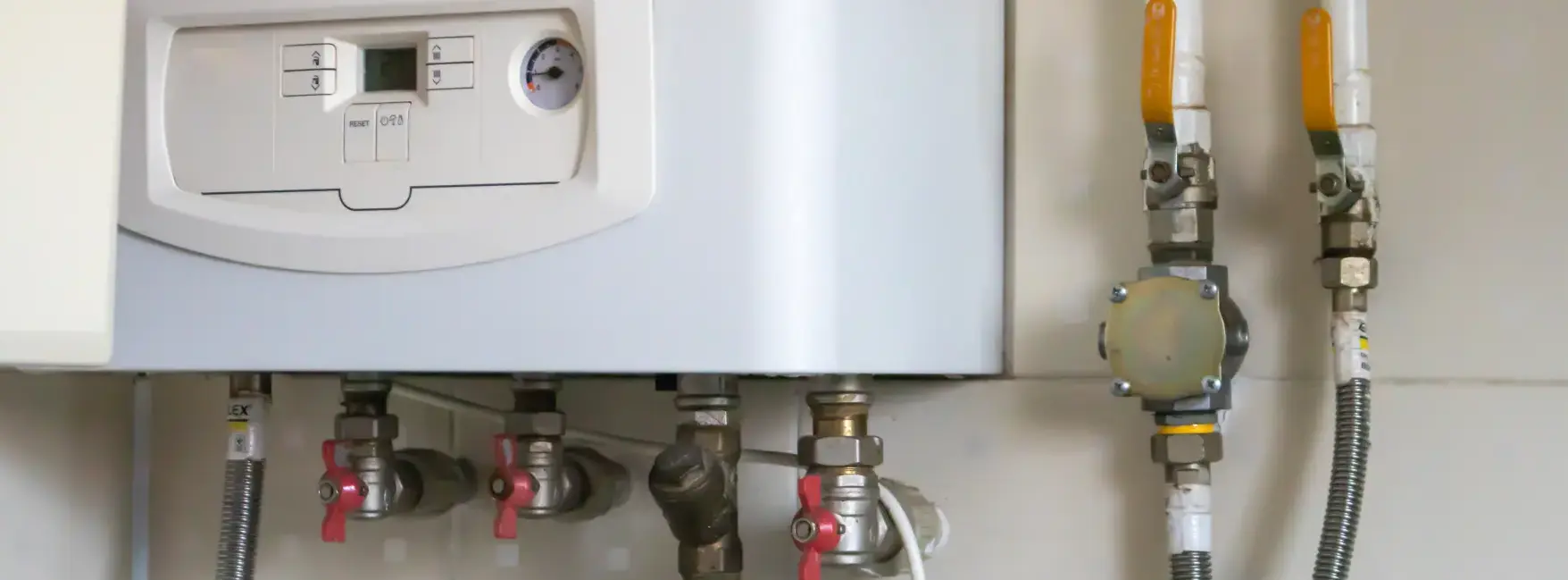
If your boiler keeps breaking down, it is a clear sign that replacement may be the best choice. One or two faults over several years can be normal. Regular callouts in a short time are not. Each visit adds cost and stress. Small parts may seem cheap, but labour soon adds up. You can also be left without heating or hot water when you need it most.
Older boilers often need parts that are hard to find. This can mean you'll experience longer waits and higher prices. Repeated faults can also point to much deeper issues with your system, such as worn components or poor efficiency. Even when repaired, the boiler may not run well, so your energy bills can rise.
A simple rule is to review your options if you have needed repairs more than once in a year, or if a single repair is close to the price of a new boiler. Putting off a replacement can become a false economy. A modern boiler is usually more reliable, safer and cheaper to run.
Rising Energy Bills and Poor Efficiency
Have your heating bills gone up even though your usage has stayed relatively the same over time? This is a common sign that your boiler is wasting energy. As boilers age, parts wear out, and the system works harder to do the same job. You may notice rooms take longer to warm up, or the boiler seems to be on more often than before.
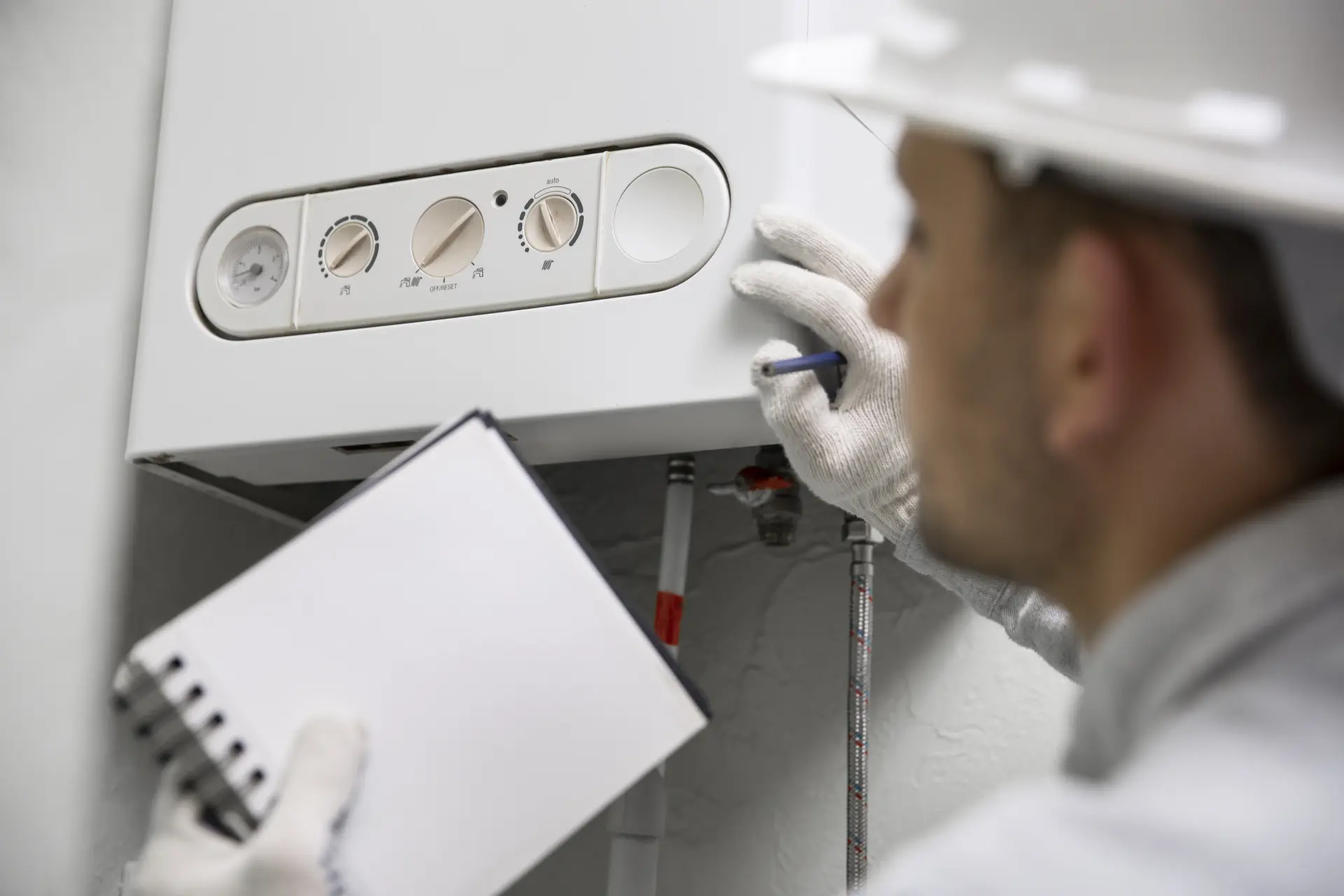
Poor efficiency does not only cost money. It can also mean less comfort. Cold spots, uneven heat and lukewarm water are all clues. You might find yourself turning the thermostat higher just to feel warm. This puts even more strain on the boiler and can lead to more faults.
A new, efficient boiler converts more fuel into heat, so you spend less and get better results. If your bills have risen for several months in a row and you have ruled out price changes or extra usage, it is worth looking at a replacement. The savings over time can be greater than the price difference between repair and new.
Strange Noises or Leaks
Boilers should run quietly. If you hear banging, clanking, whistling like a kettle, or gurgling, something is not right. These sounds can come from trapped air, low pressure, or a build-up of limescale. The boiler may still work, but these signs often mean parts are wearing out.
Leaks are a clear warning of a major issue. Even a small drip can damage your pipes, wiring, and floors. Water can also lower the system pressure, so your heating turns off or keeps cutting out. If you spot a leak, turn the boiler off and call a qualified engineer. Do not ignore it and hope it stops.
Strange noises or leaks that keep coming back after repairs show the boiler is near the end of its life. If the unit is older, the cost and risk rise each time. Replacing it can save money over time and make your home safer and warmer.
Inconsistent Heating or Hot Water Supply
Do some rooms feel warm while others stay cold? Does your hot water run hot, then suddenly turn lukewarm or cold? These are signs your boiler is not working as it should. You might notice the heating cuts out at random, the radiators heat unevenly, or the water temperature changes from one day to the next without you changing any settings. Showers that swing from hot to cold are another common clue you should pay close attention to.
Inconsistent heat often points to worn parts or blockages that stop hot water from flowing as it should. Limescale and sludge can build up inside the system. Valves, pumps, and thermostats can also wear out over time. Low pressure or air in the pipes may make the boiler short-cycle, which means it keeps turning on and off. The boiler may try to keep up, but it struggles to deliver steady heat and hot water.
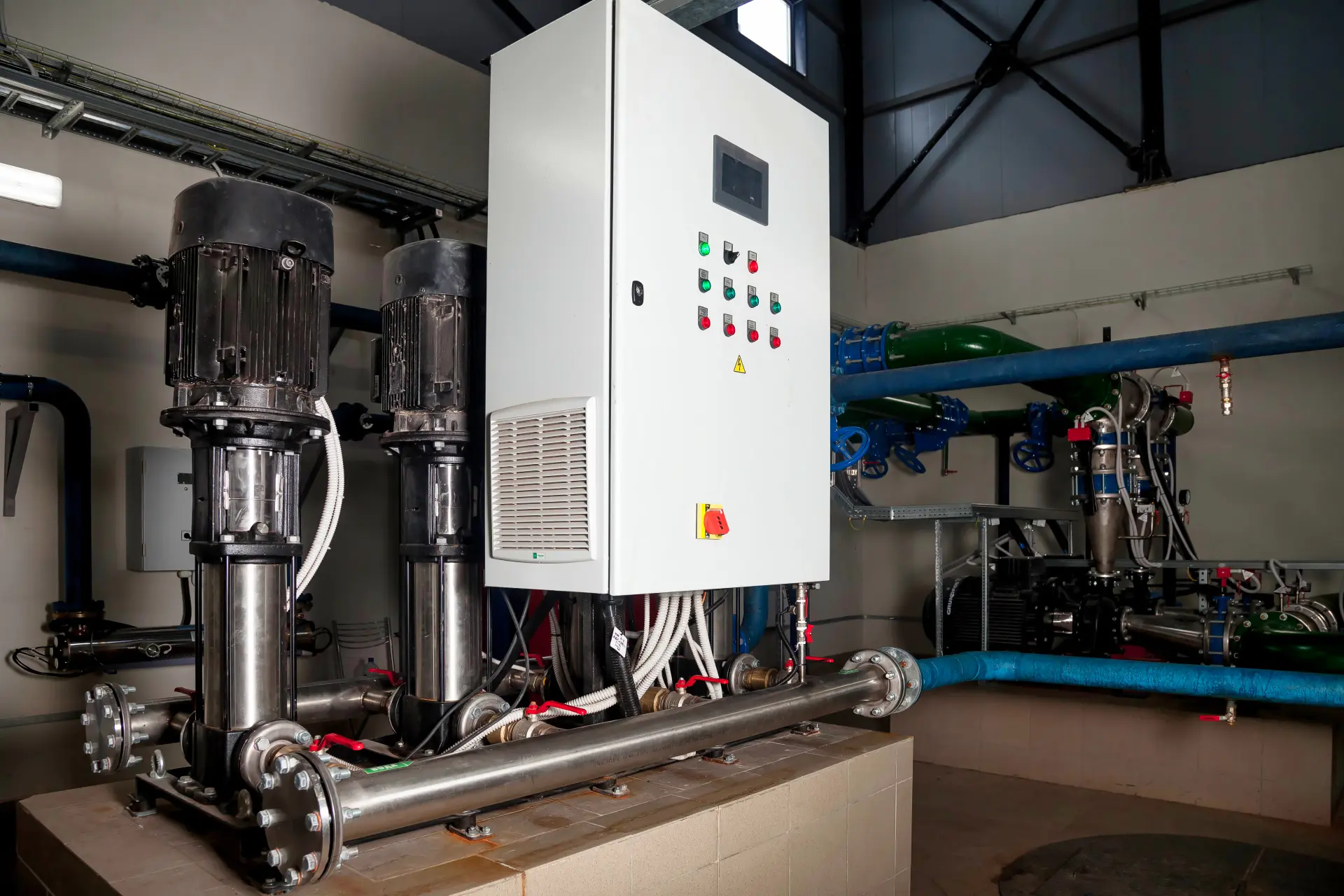
You can try simple checks first. Bleed radiators to remove trapped air. Make sure the timer, programmer, and room thermostat are set correctly. Check that your water pressure is within the recommended range on the gauge. If these steps do not fix your problem, the issue is likely inside the boiler or the wider heating system and will keep coming back. Living with uneven heat and unreliable hot water costs money and comfort. The boiler runs longer to do the same job, which can push up bills and add strain to parts.
Frequent temperature swings also increase the risk of further faults. If you have taken the basic steps above and still get poor results, a replacement may be the best answer. A new boiler will heat rooms more quickly and evenly to supply a steady supply of hot water, even at busy times. Modern models are more efficient, quieter, and often come with long warranties, which can reduce repair costs for years.
Difficulty Finding Replacement Parts
As boilers get older, parts can become hard to source. Makers may stop producing certain components, and suppliers keep less stock. This can lead to long waits while the engineer searches for what is needed. In winter, that can mean days without reliable heating or hot water.
When parts are scarce, prices often rise. You might also be offered reconditioned or generic parts. These can work for a while, but they may not last as long or perform as well as new, approved items. If the boiler needs several rare parts, the total cost can quickly add up to the price of a new unit.
Delays and rising costs are not the only risks. Mixing older systems with non-original parts can affect safety and void any warranty or cover plan. It can also make future repairs harder, as one quick fix leads to another fault later.
If your engineer struggles to find parts, or if each repair involves a long wait or special order, it is a strong sign your boiler is near the end of its life. Replacing it with a current model gives you better availability of parts, as they will be more accessible on the market, along with faster repairs when needed, and support from the manufacturer.
At Gothic Plumbing, we can replace old, inefficient boilers with new, reliable, A-rated systems that are tailored to your home. We handle everything from expert surveys to installations with care.
With a new boiler from us, you're guaranteed to have lower bills, better comfort, and safe, compliant boilers. Call for boiler replacement in Nottingham, Mansfield and Derby.