Learn how to tell when you need a boiler replacement, spot early warning signs you need to replace your boiler, and decide when it is worth repairing or upgrading. Knowing the signs at the right time can help you avoid an unexpected breakdown, keep your family warm and safe, and save money in the long run.
Your boiler is one of the hardest working appliances in your home. It provides heat for your central heating and hot water every day of the year. As boilers age, they become less efficient, more expensive to run and harder to fix. At some point, every heating system reaches the stage where replacing your boiler is more cost effective than yet another repair.
Key Signs Your Boiler Needs Attention
Below are the key signs your boiler needs attention. If more than one of these issues appears at the same time, it may be time to replace your boiler and upgrade to a more energy efficient model that gives you greater peace of mind.
Unusual Noises Coming from the Boiler
It is normal for a boiler to make a quiet hum when operating, but loud or unusual sounds can signal a problem. Banging, clunking, whistling or gurgling noises often point to issues like limescale build up on the heat exchanger, trapped air in the pipes, or low water pressure in the heating system.
You might first notice your boiler is making odd sounds when the radiators start to heat up or when the hot water comes on. These noises can start off subtle but become louder and more frequent as internal parts wear out. Over time, problems with the heat exchanger, pump or fan can lead to more serious damage inside the appliance.
If bleeding your radiators, topping up the pressure or having the system flushed does not fix the issue, it is worth having the boiler checked by a Gas Safe registered engineer. They can investigate the cause of the noises and find out if the parts may be nearing the end of their useful life.
In many cases, especially with older boilers, the cost of fixing the root issue can be high and parts can be hard to find. At that point, a boiler replacement is often the most sensible option to avoid repeated repairs, further damage and added expense.
Frequent Breakdowns and Repairs
One of the clearest signs you need a new boiler is frequent breakdowns. If you are regularly without heating or hot water and calling out an engineer every few months, the boiler is likely becoming unreliable. This is more common with an old boiler that is 10 years old or more.
Even if each repair does not seem too expensive on its own, the cost soon adds up over a year. You also have the stress of a boiler that could break down on a cold day when your family most needs the heating to run. Being left with a cold house in the middle of winter is not something anyone wants to face.
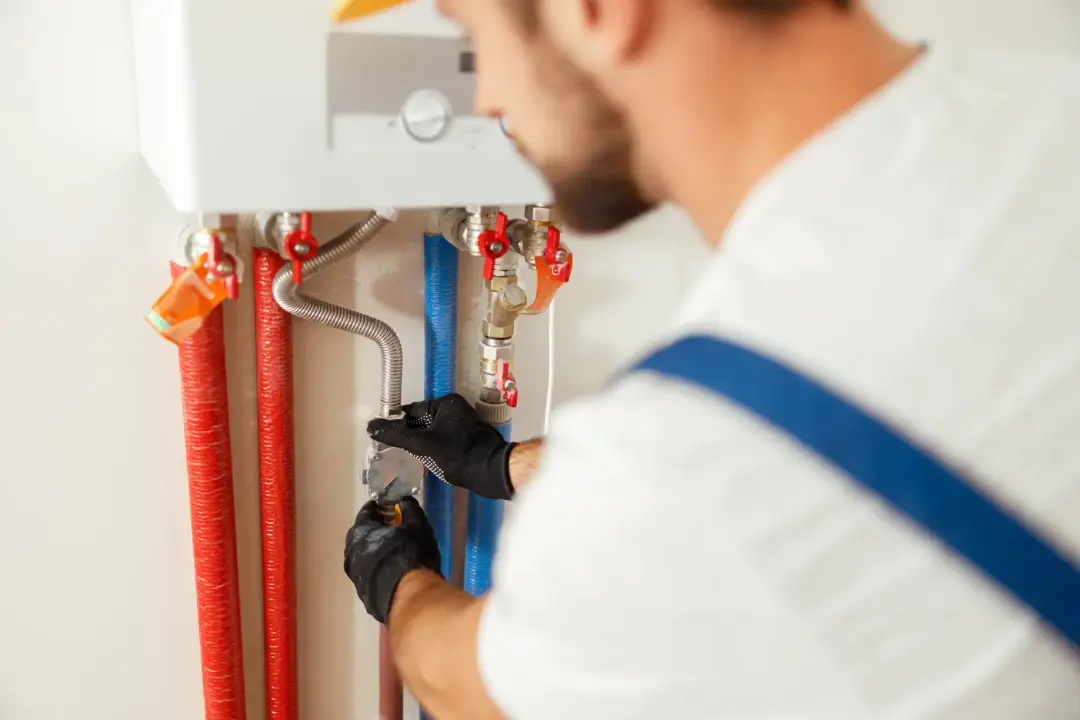
Older boilers often suffer from worn pumps, valves and heat exchangers. As they age, more parts may fail, and it can take longer to get access to the right spares. At a certain point, paying for yet another repair is no longer worth it and may be less cost effective than investing in a replacement.
New boilers are designed to be more reliable and more energy efficient. Modern boiler installation usually comes with a long warranty, which gives you peace of mind that if something does go wrong, it is easier and cheaper to fix. Replacing your boiler before it fails completely can therefore save money in the long run.
Rising Energy Bills
Boilers lose efficiency over time, especially if they have not received a regular service. You might not notice the change in how warm your property feels, but you are likely to see the difference on your energy bills. An older, less efficient boiler uses more fuel to provide the same level of heat and hot water.
If you are paying more than you used to, but your heating habits have not changed, your boiler could be running for longer and using more gas or oil than necessary. Older boilers, especially any G rated boiler, often operate well below the efficiency levels of a modern A rated boiler.
Upgrading to a new, energy efficient boiler can help bring your energy bills back under control. A condensing, efficient boiler recovers heat that would normally be lost, so the system needs less fuel to warm your home. Over a number of years, this could save a significant amount of money and reduce your carbon footprint.
In many cases, replacing your boiler with a more efficient model is a cost effective way to cut bills. When you add up the long run energy savings and fewer repairs, a new boiler can work out cheaper than keeping an old boiler that is struggling.

Inconsistent Heating or Hot Water
Are you noticing some rooms stay cold while others are warm, even when the heating has been on for a long time? Does your hot water take ages to heat up or turn lukewarm very quickly? Inconsistent performance like this is often a sign that your boiler is struggling to keep up with demand or that there are issues in the central heating system.
You might feel that radiators are hot at the top but cold at the bottom, which could mean sludge has built up in the system. You might find that the water from the taps is hot one day and only warm the next. These issues can show that the boiler needs to work harder than it used to in order to heat your home.
Inconsistent heating and hot water can also point to faults with the internal thermostat, pump or diverter valve. While some of these parts can be repaired or replaced, the costs can grow quickly, especially if the boiler is already many years old. When several things start to fail at the same time, that is a strong sign you need to replace the boiler instead of just patching it up.
A new boiler, correctly sized and fitted for your property, can provide steady temperatures and reliable hot water throughout the day. This makes your house feel more comfortable and gives your family the steady warmth they depend on.
Boiler Age and Efficiency
Even if your boiler is still working, age plays a big part in deciding its future. Most boilers have a useful lifespan of around 10 years to 15 years. After this point, faults are more common and vital parts may be harder to find.
Technology has moved on a lot in recent years. A boiler that was viewed as efficient 10 years ago can now be much less efficient than the standard energy efficient models on the market. Older boilers often have a basic, non condensing design, which wastes heat and pushes up running costs.
If your boiler is more than 10 years old, it is sensible to start planning for a replacement. Replacing your boiler with a modern, A rated boiler can reduce your energy use, lower your bills and cut emissions. You will also gain better controls, quieter operation and a new warranty, which together provide real peace of mind.
While a boiler replacement may feel like a big step, it often proves to be the best choice for your comfort, your safety and your wallet, especially if the current appliance is already 15 years or more.
Leaks, Corrosion and Visible Damage
Any sign of leaking water around the boiler, nearby pipes or under the casing needs quick action. Even a small leak can damage floors, walls and nearby electrics, and over time can lead to rust and corrosion inside the boiler. You might notice damp patches, drops of water, or stains that keep coming back.
Leaks often come from failing seals, valves or the heat exchanger. In an older boiler, these problems can be a sign that other parts may soon fail. Repairing one leak can sometimes fix the problem for a short time, but if more leaks appear, replacement is usually the safer and more reliable solution.
Visible rust, corrosion on pipes, or damaged casing are warning signs that the appliance has suffered long term wear. If the boiler looks in poor condition, or if leaking water keeps returning even after repairs, it may be time to replace your boiler and protect your property from further damage.
Safety Signs You Must Never Ignore
While many boiler issues are about comfort and cost, some affect safety. It is important to know the symptoms of carbon monoxide problems and to act quickly if you suspect an issue. Carbon monoxide is a colourless, odourless gas that can cause nausea, dizziness, headaches and confusion. In serious cases, it can be life threatening.
Possible signs of carbon monoxide problems include a boiler flame that burns yellow instead of blue, frequent feelings of headaches or nausea when the heating is on, and soot marks or staining around the boiler. If your family members feel unwell at home but better when they leave the house, this is another sign that needs to be investigated immediately.
If you notice any of these symptoms or signs, turn the boiler off, open windows to let in fresh air and leave the property. Contact the emergency number for your energy supplier or the gas network, and arrange for a Gas Safe registered engineer to check the system before you use it again. Your safety must always come before the cost of a repair.
Regular servicing by a Gas Safe engineer in England, Wales and the rest of the UK is important to keep your heating system safe. A yearly service can pick up problems with the flue, burner and heat exchanger so they can be fixed before they become serious.
Low Pressure, Sludge and Tired Radiators
If you often need to top up the boiler pressure, or the pressure keeps dropping without any clear leak, this is a sign of an issue. Low pressure can be caused by leaks in hidden pipes, failing valves or air getting into the system. Over time, this can strain the boiler and reduce efficiency.
Sludge is another common problem. It forms when rust and dirt build up inside radiators and pipes. Signs of sludge include radiators that are hot at the top and cold at the bottom, noisy pipes, and slow warm up times. Sludge makes your heating system less efficient and can shorten the life of the boiler.
Flushing the system and fitting filters can sometimes fix these problems, especially if the boiler is still fairly new. However, if your boiler is many years old and the system is full of sludge, you may find that upgrading the boiler and cleaning the whole system is a better long term fix. This can help your new boiler run more efficiently and keep the radiators warm across the whole property.
Repair or Replace: Working Out the Cost
A key question for many homeowners is whether to repair or replace. A good rule of thumb is to look at the age of the boiler and the cost of the repair. If your boiler is more than 10 years old and a repair is very expensive, it may be time to replace it instead.
Think about how often you have paid for repairs in recent years. If issues keep coming back, and if the boiler needs attention every year or even several times a year, a new boiler could save money. The price of a single major repair can sometimes cover a large share of a new boiler installation.
You should also consider running costs. An older, less efficient boiler can cost much more to run over time. Switching to a modern, efficient boiler could save a good amount on energy bills every month. When you add these savings to the reduced repair costs, replacing your boiler becomes a cost effective choice in the long run.
An experienced heating engineer can help you check the condition of your current system, explain what to expect from a replacement, and guide you through the things to think about before you take action.
Choosing the Right Type of Boiler
If you decide you need a new boiler, the next step is choosing the right boiler type. Common types include the combi boiler, system boiler and regular or heat only boiler. The best type of boiler for your property will depend on the size of your house, how many bathrooms you have, and how much hot water your family uses in a typical day.
A combi boiler is often a good choice for smaller homes and flats, as it heats water on demand and does not need a separate hot water cylinder. System and regular boilers can be a better fit for larger homes with more than one bathroom, where higher hot water flow is needed.
Make sure you choose a rated boiler that matches your needs and your budget. A Gas Safe engineer can explain the different types, describe which boiler type suits your heating system, and help you pick an efficient boiler that will be reliable for many years. Taking time to choose the right model at the start can make living with the boiler much easier later on.
What To Expect When Installing a New Boiler
Many people worry that replacing your boiler will be messy or take a long time. In most cases, a straightforward boiler replacement in the same location takes only a day or two. More complex installations, such as moving the boiler or changing the type of system, can take a little longer.
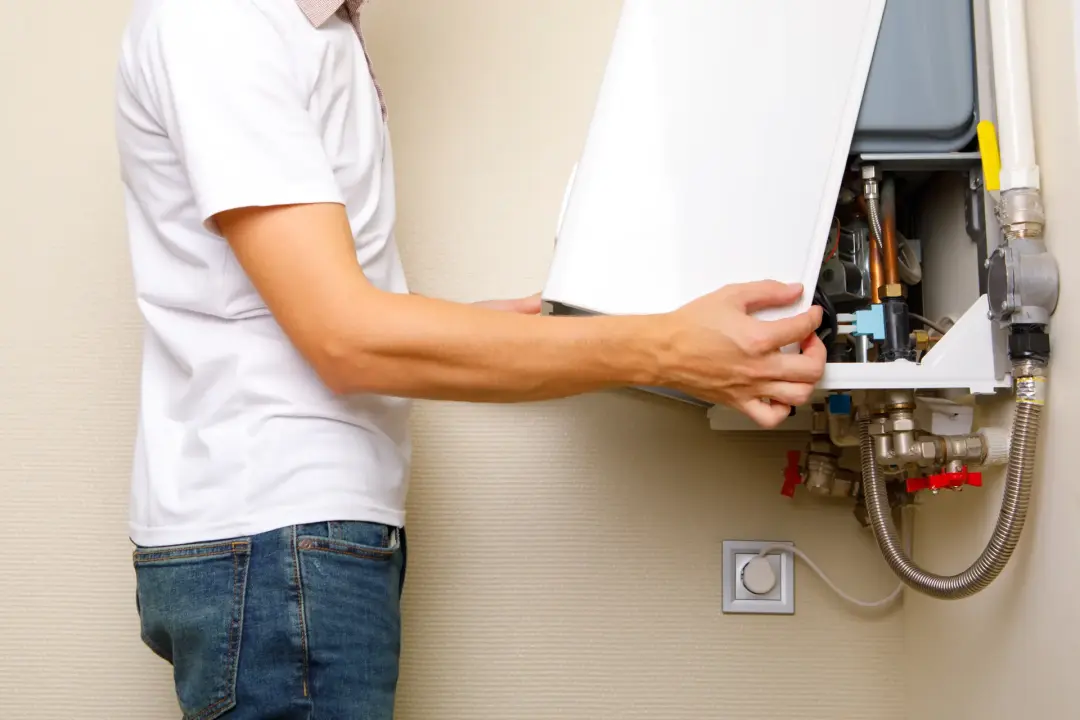
During installation, the engineer will remove the old boiler, fit the new appliance, connect it safely to gas, water and electrics, and check that the central heating and hot water run correctly. They may also flush the system to clear sludge and protect the new boiler. At the end, they should show you how to use the new controls and how to check the pressure.
Always use a Gas Safe registered engineer for installation. This keeps the work safe and ensures the warranty is valid. A proper installation gives you a reliable heating system that is ready to run for many years, bringing peace of mind that your family will stay warm when it matters most.
The Importance of Regular Servicing
Whether your boiler is brand new or already a few years old, regular service is important. An annual service helps keep the boiler efficient, reduces the risk of issues, and can spot signs you need to replace the boiler in future. It also keeps many manufacturer warranties valid.
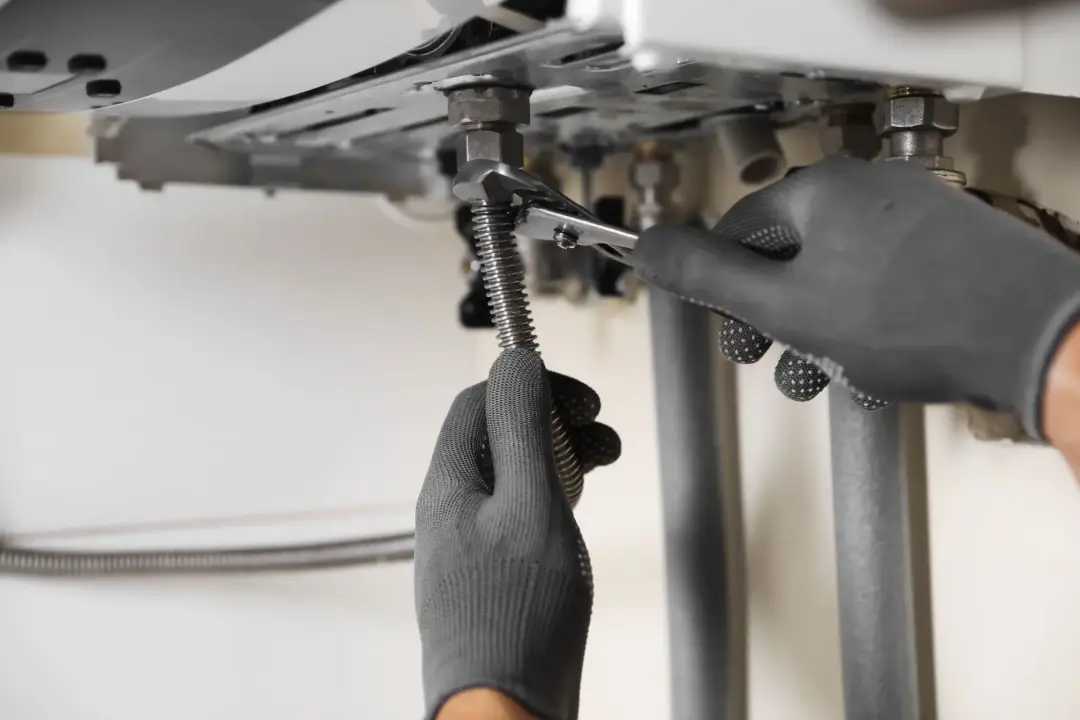
During a service, the engineer will check key parts, test safety devices, look for signs of leaks or damage, and clean components where needed. Small issues can be fixed before they turn into big problems. A well serviced boiler is more efficient, safer to run and less likely to break down without warning.
By keeping up with yearly servicing and paying attention to the warning signs in this guide, you can plan your boiler replacement at a time that suits you, rather than when the system fails. This makes the whole process easier, safer and more affordable.
Does My Boiler Need Replacement: Summary
If you recognise several of these signs in your own boiler, it may be time to replace your boiler and upgrade your heating system. A modern, efficient boiler can save money on energy bills, reduce the risk of breakdowns and keep your home warm and safe for years to come.
A modern boiler can improve energy efficiency, lower heating bills, and keep your home reliably warm. I offer professional boiler replacement services across Nottingham, Mansfield, and Derby – handling everything from old system removal to expert installation of gas, combi, and electric boilers.