UFH Types and Cost Drivers (Wet vs Electric)
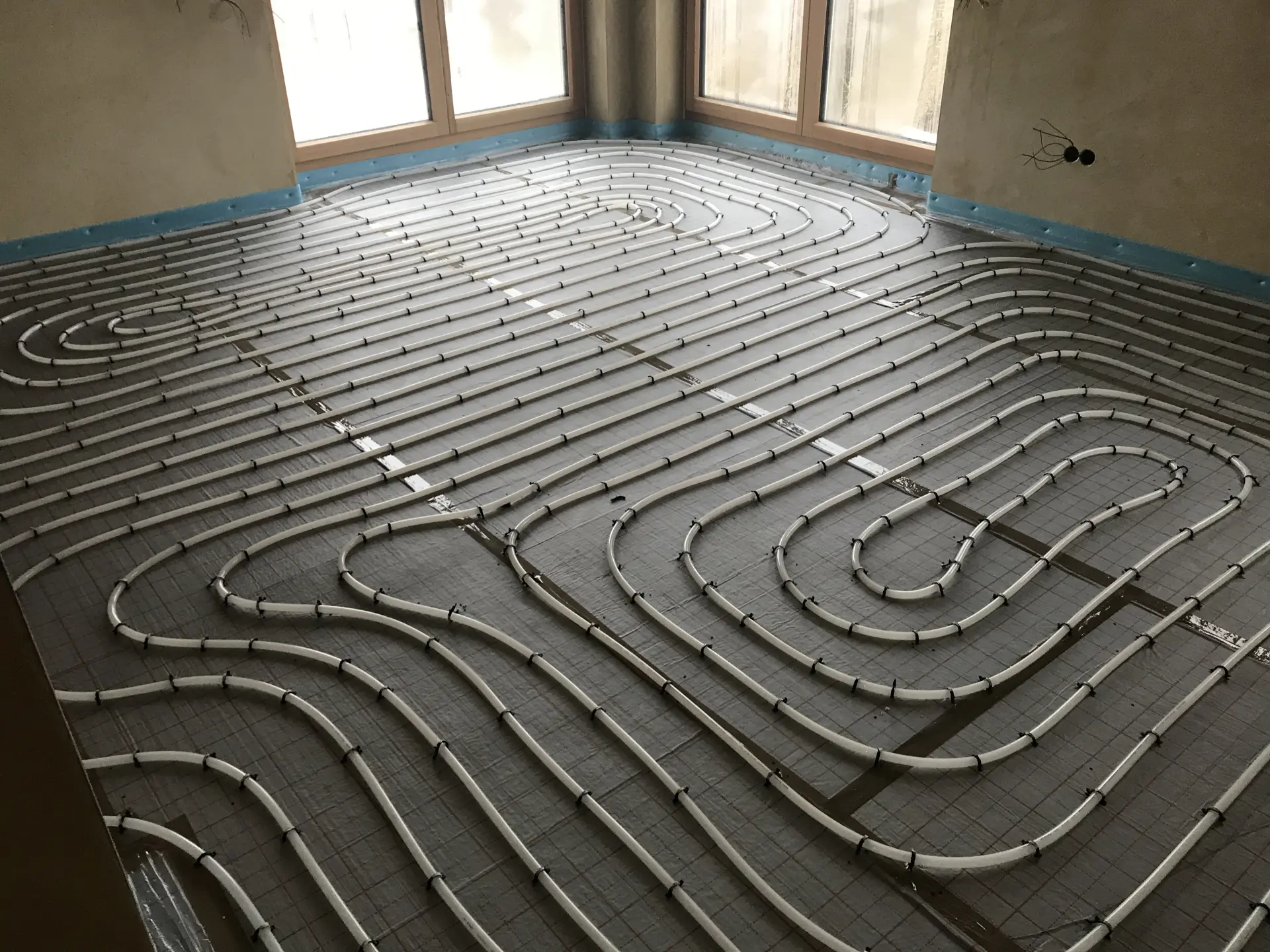
Wet UFH uses warm water in pipes under the floor. The water is heated by a boiler or a heat pump. This type spreads heat over a large area at a low temperature, and this can be very efficient, especially with a heat pump that likes low flow temperatures. The main cost drivers are the heat source, the flow temperature you run at, and how well your floor can pass heat into the room.
Electric UFH uses cables or mats that turn electricity directly into heat. It is simple to install and always reacts fast. The big cost driver tends to be your electricity unit rate. Since electric systems convert power to heat at a one-to-one ratio, the cost per kWh of electricity is the cost per kWh of heat delivered to the floor. You'll find that there is no real efficiency gain from lower flow temperatures, as there is no water loop.
Upfront costs will differ between the two. Wet UFH often costs more to install because it needs manifolds, pumps, and a heat source connection. Electric UFH is cheaper to fit and is popular in small rooms like bathrooms. Yet a lower installation cost does not always mean a lower running cost over time. In many homes, wet UFH paired with a good heat pump can run cheaper each day than electric mats.
Energy Prices Explained (kWh Rates, Standing Charges)
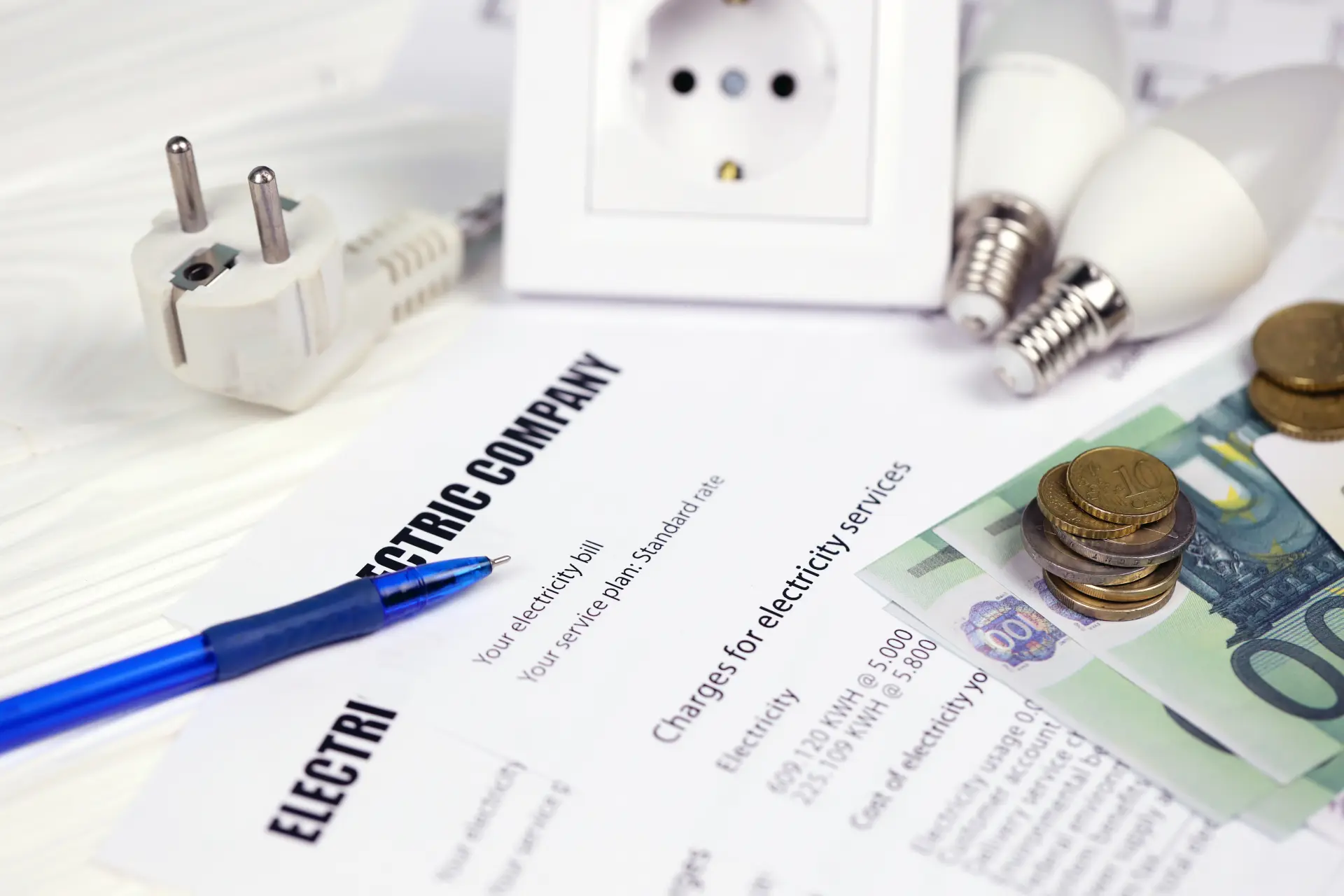
Your bill has two main parts. The unit rate is what you pay per kilowatt hour, or kWh. This is the price for the energy you actually use. If your UFH needs 5 kWh to warm a room, you pay 5 times the unit rate. Electricity and gas have different unit rates. Electricity is usually higher per kWh, which is often why the system choice matters so much.
The standing charge is typically a daily fee that you will pay to stay constantly connected. It is charged whether or not you use any energy that day. Standing charges affect your overall bill, but they do not change the cost of a single hour of heating once you are already connected. Still, they matter when you compare using electricity only versus a mix of electricity and gas for a boiler.
Time of Use tariffs can change costs again. Some plans have cheap off-peak rates and higher peak rates. If you can pre-warm a slab during cheaper hours without overheating the room, you can shift part of your use to lower-priced periods. This is easier with wet UFH in a thick screed due to its thermal mass. Smart controls can help with timing.
Finally, check taxes, levies, and any discounts on your tariff. They may change the effective price per kWh. If you use a heat pump with a high seasonal efficiency, you may find that the cost per unit of heat delivered competes well with a gas boiler, even if the electricity unit rate looks higher. The trick is to look at heat out, not only energy in.
Flow Temperatures, COP & Efficiency (Why Low-Temp Wins)
Flow temperature is how hot the water is when it leaves the heat source and enters the UFH pipes. Lower flow temperatures limit your heat losses in the system and make heat pumps much more efficient. With wet UFH, you can often run flow temperatures between 30 and 45 Celsius because the floor area is large and the heat output per square metre can be modest.
COP stands for Coefficient of Performance. It is a number that shows how much heat a heat pump delivers per unit of electricity it uses. A COP of 3 means 1 kWh of electricity in and 3 kWh of heat out. COP rises when the flow temperature falls and when the outdoor source temperature is higher. This is a major reason UFH pairs so well with heat pumps. The floor can accept low-temperature water while still keeping the room warm.
Lower flow temperatures also improve comfort. The floor surface is warm, not hot, and the room warms evenly. This reduces air temperature swings and avoids hot spots. Stable operation leads to fewer starts and stops, which helps both efficiency and component life. The cheapest heat is the heat you do not waste.
If you use a boiler, you still benefit from low temperatures. Modern condensing boilers are most efficient when the return water temperature stays low enough for the boiler to condense. That condition is easier to meet with UFH than with high-temperature radiators. So even without a heat pump, careful control of flow temperature can lower bills.
Floor Coverings & Tog Ratings (Tiles, LVT, Wood, Carpet)
The floor covering acts like a blanket over your UFH. Tog rating is a simple way to show how much a material resists heat flow. A higher tog resists more heat. For UFH, a lower tog is better because it lets warmth pass through easily. Your chosen floor finish can raise or lower running costs by changing how hard the system must work to reach the setpoint.
Tiles and stone have incredibly low tog values and conduct heat quite well. They deliver heat to your rooms as quickly and evenly as possible. This means you can run a lower flow temperature and still get the output you need. Lower flow temperature improves efficiency for heat pumps and helps condensing boilers, too. For bathrooms, kitchens, and open plan spaces, tiles are often the most efficient partner for UFH.
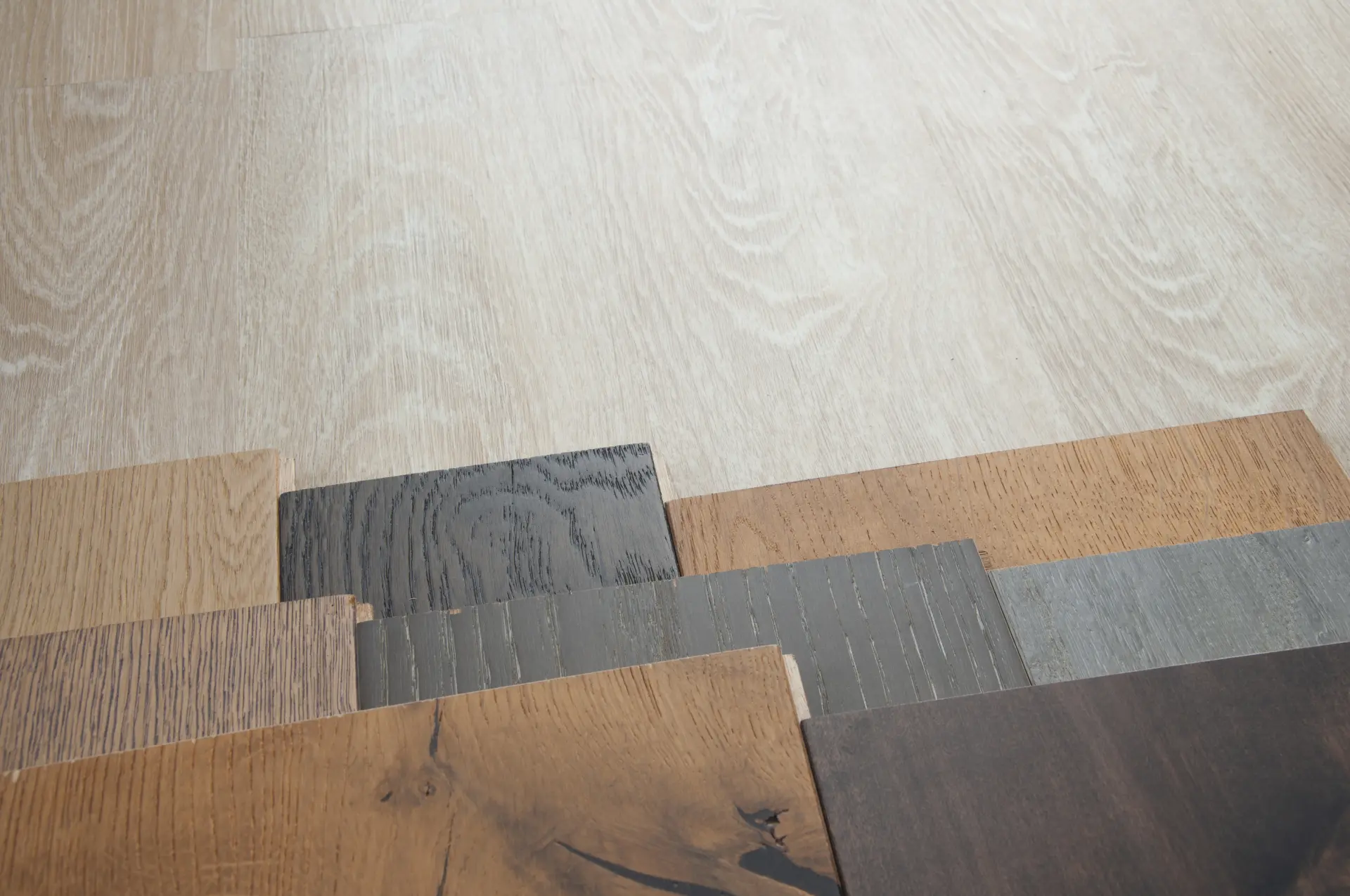
LVT, or luxury vinyl tile, also works well with UFH when it is designed for heated floors. It has low to moderate tog and gives a soft, warm feel underfoot. Always check the product’s maximum floor temperature and installation guidance. A suitable LVT can keep efficiency high while offering more design choices and easier maintenance than natural stone.
Wood and carpet need more care. Engineered wood that is made specifically for UFH can perform well if it is thin enough and installed correctly. Solid wood moves more with heat and moisture, and can limit output. A carpet with a thick underlay is great for trapping heat. If you choose carpet, aim for a combined tog of around 2.0 or lower across carpet and underlay. This keeps the system within design limits and avoids pushing up flow temperatures.
Zoning, Thermostats & Smart Controls (Scheduling & Setbacks)
Zoning means splitting your home into areas that can be controlled on their own. Each zone then gets its own thermostat or sensor, and this avoids heating rooms that do not need it. For example, bedrooms can sometimes run cooler than living areas, and spare rooms can be held at a low background level. Fewer heated square metres means fewer kWh are used each day.
Good thermostats improve stability. Place them away from direct sunlight and not above heat sources. A sensor that reads the true room temperature will avoid overshoot. Many UFH controls also include floor probes. These keep the floor within safe limits, which protects finishes like wood and LVT and avoids wasted energy.
Scheduling trims waste further. Set times that match your routine rather than leaving everything on. Wet UFH has more thermal mass, so start a little earlier and avoid big swings. Small, frequent adjustments keep comfort steady at the lowest cost. Electric UFH in a bathroom can be set to run only for the morning and evening peaks when you need warm tiles underfoot.
Setbacks are small drops in setpoint during times of low use. For a well-insulated home, a modest setback of 1 to 2 Celsius can save you plenty of energy without any long warm-up times. Deeper setbacks can work for light, fast systems like electric mats in a small room. For heavy, slow systems like a thick screed with wet UFH, deep nightly setbacks can backfire. The system may need higher output in the morning to recover, which can erase the savings.
Underfloor heating is an energy-efficient and modern solution for homes and businesses, providing even heat distribution and enhanced comfort. I specialise in installing, maintaining, and upgrading both electric and water-based underfloor heating systems across Nottingham, Mansfield, and Derby.