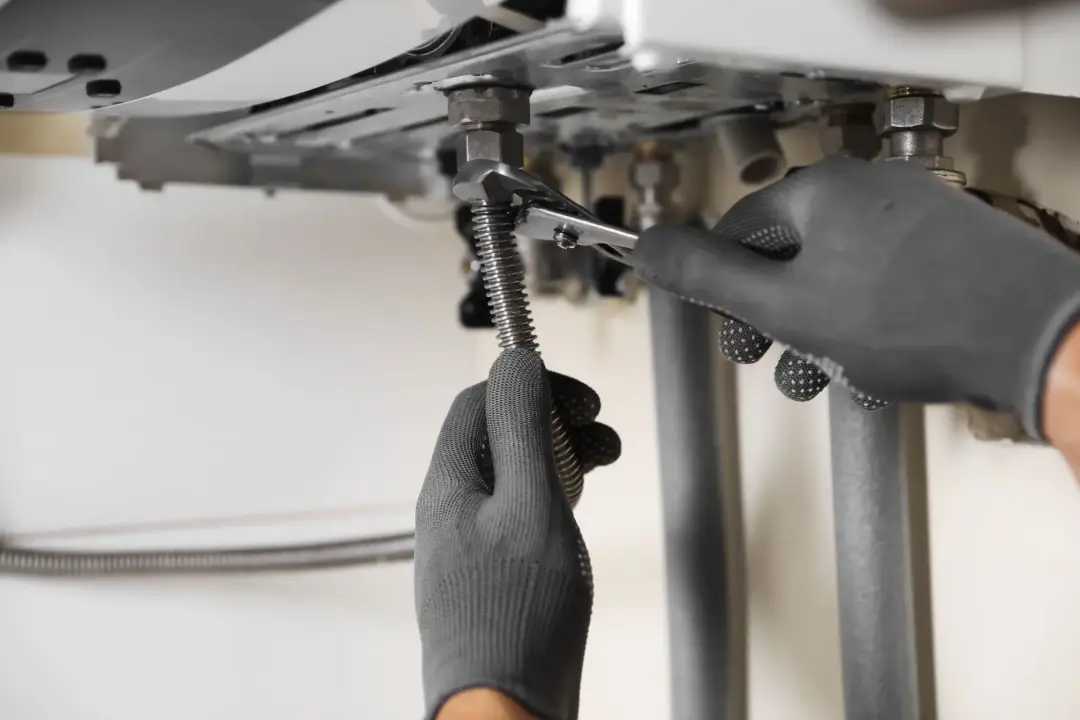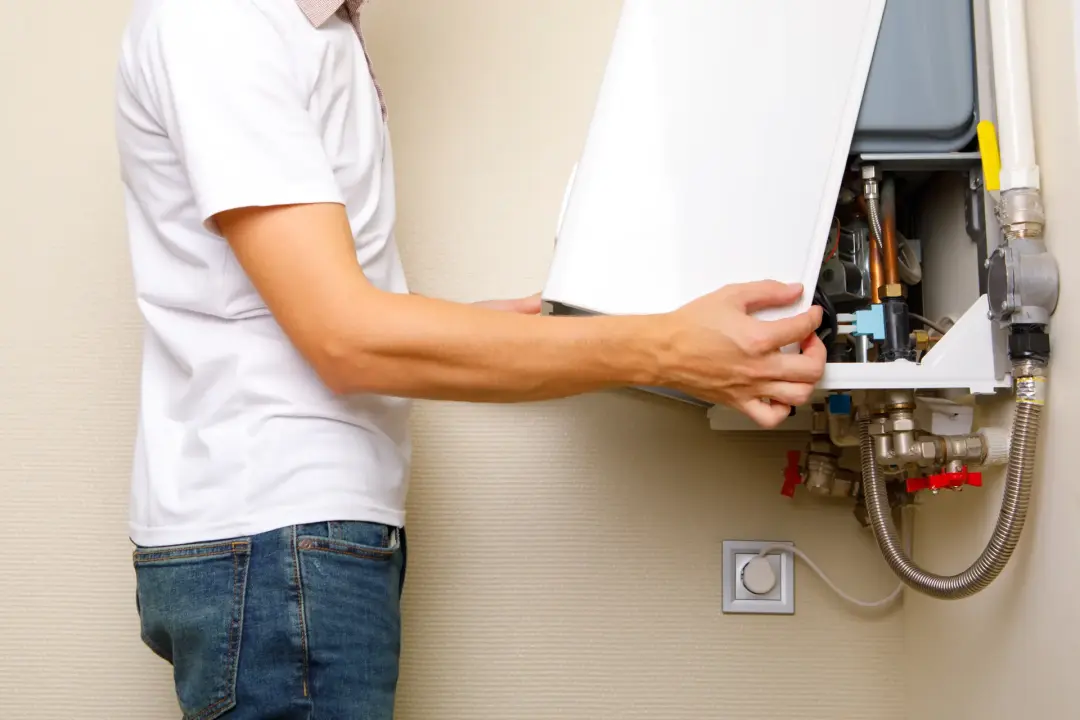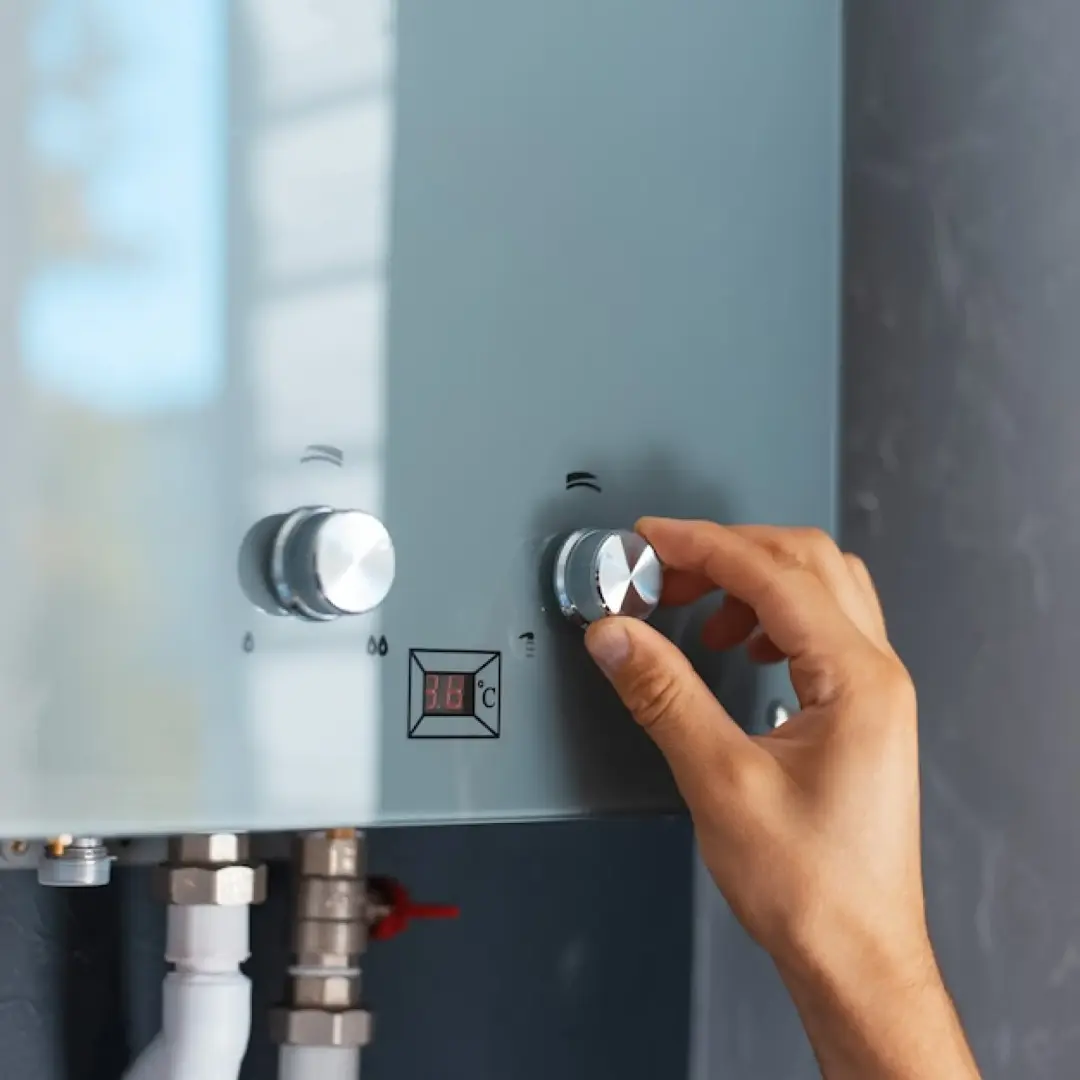
The signs that it’s time to replace your boiler include frequent breakdowns, unusual noises, and leaks. Get reliable boiler replacement services from us to ensure your comfort and safety.
How Long Does a Boiler Last?
A boiler will not work for ever. Most boilers last around 10 years to 15 years, depending on the boiler type, how often you use it and how well it has been looked after. A combi boiler that has had a regular service each year may last longer than a neglected appliance of the same age. A well cared for boiler lasts longer and is less likely to break without warning.
If your boiler is 10 years old or more, it will usually be less efficient than a new boiler, especially if it is a g rated or older rated boiler. As a boiler gets older, parts wear, sludge can build up inside the system and corrosion can start on metal parts. Even if there are no clear problems yet, an old boiler could be closer to the end of its life than you think.
This does not mean you need to replace your boiler as soon as it reaches a certain age. However, when your boiler is many years old and you see other signs that it needs replacing, it may be time to replace it before a major fault happens at the worst moment.
Warning Signs That It’s Time to Replace Your Boiler
Knowing when it is time to replace your boiler is important for your safety, comfort and budget. A failing heating system can give off many warning signs before it stops working completely. Paying attention to these signs you need a new boiler can help you save money, keep your family warm and avoid bigger problems in the long run.
If your old boiler is less efficient and harder to use, it may be time to consider upgrading. A modern, energy efficient unit can give you more heat for less energy, lower your energy bills and give you greater peace of mind. The aim is to have a boiler that fits your home, keeps you warm every day and does not leave you worrying about the next fault, giving you time to focus on other things.
Frequent Breakdowns and Repairs
If your boiler keeps breaking down, it is a clear sign that replacement may be the best choice. One or two faults over several years can be normal. Regular callouts in a short time are not. Each visit adds cost and stress. Small parts may seem cheap, but labour soon adds up. You can also be left without heating or hot water when you need it most.
Older boilers often need parts that are hard to find. This can mean you will experience longer waits and higher prices. Repeated faults can also point to much deeper issues with your central heating system, such as worn components, low efficiency or sludge in pipes and radiators. Even when repaired, the boiler may not run well, so your energy bills can rise.
Frequent repairs are often the point where it is worth looking at boiler replacement. A simple rule is to review your options if you have needed repairs more than once in a year, or if a single repair is close to the price of a new boiler. Putting off a replacement can become a false economy. In the long run, replacing your boiler with a modern model is usually more reliable, safer and cheaper to run. In many cases, the boiler could be better replaced than patched up yet again.
Rising Energy Bills and Poor Efficiency
Have your heating bills gone up even though your use has stayed relatively the same over time? This is a common sign that your boiler is wasting energy. As boilers age, parts wear out, and the system works harder to do the same job. You may notice rooms take longer to warm up, or the boiler seems to be on more often than before.
Poor efficiency does not only cost money. It can also mean less comfort. Cold spots, uneven heat and lukewarm water are all clues. You might find yourself turning the thermostat higher just to feel warm. This puts even more strain on the boiler and can lead to more faults.
If you have a very old g rated boiler, it will be much less efficient than a modern energy efficient model. An A rated boiler converts more fuel into heat, so you spend less and get better results. If your energy bills have risen for several months in a row and you have ruled out price changes or extra use, it is worth looking at a replacement. The savings over time could save you money that is greater than the price difference between repair and a new boiler.
Strange Noises, Smells or Leaks
Boilers should run quietly and smoothly. If your boiler is making banging, clanking, gurgling or whistling sounds like a kettle, something is not right.
These strange noises can come from trapped air, low pressure, loose parts, sludge or a build up of limescale. The boiler may still work, but these signs often mean parts are wearing out or the heat exchanger is under strain.
Unusual smells around the boiler or nearby cupboards are another important sign. A burning smell, a strong metallic smell or a smell of gas should never be ignored. They could mean there is a fault with seals, pipes or flues. They could lead to more serious damage if you continue to use the appliance.
Leaks are a clear warning of a major issue. Even a small drip can damage your pipes, wiring, floors and walls. Water can also lower the system pressure, so your heating turns off or keeps cutting out. A leaking boiler may also cause hidden structural damage to your property over time if water is left to soak into wood and plaster.
If you spot a leak, turn the boiler off and call a qualified, gas safe registered engineer. One of the first things they will do is check all visible parts, including valves and pipe joints, to find the source of any leaks. Do not leave it and hope it stops. Strange noises, smells or leaks that keep coming back after repairs show the boiler is near the end of its life. If the unit is older, the cost and risk rise each time. Replacing it can save money over time and make your home safer and warmer.
Inconsistent Heating or Hot Water Supply
Do some rooms feel warm while others stay cold? Does your hot water run hot, then suddenly turn lukewarm or cold? These are signs your boiler is not working as it should.
You might notice the heating cuts out at random, the radiators heat unevenly, or the water temperature changes from one day to the next without you changing any settings. Showers that swing from hot to cold are another common clue you should pay close attention to.
Inconsistent heat often points to worn parts or blockages that stop hot water from flowing as it should. Limescale and sludge can build up inside the central heating system. Valves, pumps and thermostats can also wear out over time. Low pressure or air in the pipes may make the boiler short cycle, which means it keeps turning on and off. The boiler may try to keep up, but it struggles to deliver steady heat and hot water.
You can try simple checks first. Bleed radiators to remove trapped air. Make sure the timer, programmer and room thermostat are set correctly. Check that your water pressure is within the recommended range on the gauge.
If these steps do not fix your problem, the issue is likely inside the boiler or the wider heating system and will keep coming back. Living with uneven heat and unreliable hot water costs money and comfort. The boiler runs longer to do the same job, which can push up bills and add strain on parts.
Frequent temperature swings also increase the risk of further faults. If you have taken the basic steps above and still get poor results, a replacement may be the best answer. A new boiler will heat rooms more quickly and evenly to supply a steady flow of hot water, even at busy times. Modern boilers are more efficient, quieter and often come with long warranties, which can reduce repair costs for years. They are also easier to control with simple digital thermostats and smart controls.
Difficulty Finding Replacement Parts
As boilers get older, parts can become hard to source. Makers may stop producing certain components, and suppliers keep less stock. This can lead to long waits while the engineer searches for what is needed. In winter, that can mean days without reliable heating or hot water.
When parts are scarce, prices often rise. You might also be offered reconditioned or generic parts. These can work for a while, but they may not last as long or perform as well as new, approved items. If the boiler needs several rare parts, the total cost can quickly add up to the price of a new unit.
Delays and rising costs are not the only risks. Mixing older systems with non original parts can affect safety and void any warranty or cover plan. It can also make future repairs harder, as one quick fix can lead to another fault later.
If your engineer struggles to find parts, or if each repair involves a long wait or special order, it is a strong sign your boiler is near the end of its life. Replacing it with a current model gives you better availability of parts, faster boiler repair when needed and support from the manufacturer.
Safety Issues and Carbon Monoxide Risk
Some boiler problems affect more than comfort and cost. They can also affect safety. Carbon monoxide is a gas that you cannot see or smell. It can leak from a damaged flue or poorly fitted boiler and can be life threatening.
Signs of carbon monoxide poisoning can include headaches, nausea, dizziness and feeling sick when you are at home but better when you leave the property. If your carbon monoxide alarm sounds, or you notice soot marks, yellow or orange flames instead of a clear blue flame, you should turn the boiler off, open windows, leave the home and call the emergency number.
Any boiler that shows these signs needs replacing or urgent repair by a gas safe engineer. Regular service by a gas safe registered professional, along with working alarms, helps to keep your family safe, but an old appliance that keeps having issues may be safer to replace.
Is It Worth Repairing Or Replacing?
At some point, you will ask whether it is worth fixing the same boiler again. Each repair has a cost in money and in time. You may need to wait at home all day for an engineer to arrive. Problems that seem small can return again and again, which is both costly and annoying.
A good guide is to look at the age of the boiler, how often it breaks down and the cost of the next repair. If the repair will cost a lot and the boiler is years old, it may be time to replace it instead of simply fixing one part. A new boiler installation can seem expensive at first, but in the long run it can be more cost effective, especially if the old boiler is less efficient and your bills are already high.
When you add up the repair bills, the higher energy bills and the worry, it often becomes clear that a planned replacement will save you money and give you more peace of mind. You also avoid the stress of a sudden breakdown on a very cold day, when engineers are busy and access to urgent boiler repair is harder.
Upgrading To A More Efficient Boiler
Upgrading to a modern boiler can make your home warmer, safer and cheaper to run. New boilers are built to higher energy efficiency standards, so they use less fuel to create the same amount of heat. This can reduce your energy bills and cut your carbon footprint.
If your boiler is old and needs replacing, it is time to consider what you want from a replacement. A modern combi boiler can provide both heating and hot water from one unit, which can free up space and make the system simpler. A suitable boiler type will depend on the size of your property, how many bathrooms you have and how many people use hot water each day.
You may also be eligible for grants or schemes that help with the cost of installing a new boiler, especially if you are replacing a very old g rated boiler. These schemes could mean the replacement and fitting cost less than you expect. Over time, the savings on fuel could mean the boiler could pay back much of its price.
Choosing A New Boiler And Installer
When you know you need a new boiler, it can feel hard to choose the right model. Start by thinking about how you and your family use heating and hot water. A trained engineer from Gothic Plumbing or another trusted firm can help you find a boiler that is the right fit for your home and central heating.
Make sure any installer you choose is gas safe registered. Ask them to explain which boiler type they suggest, how energy efficient it is and how long the warranty lasts. Ask how long does it take to replace a boiler in a home like yours and what to expect on the installation day. They should also explain how to use the controls, what boiler needs regular care and what service visits are needed in future years.
Good installation is just as important as a good boiler. Poor fitting can lead to leaks, noises and other issues that shorten boiler life. A proper boiler replacement includes cleaning out sludge from the system, checking radiators, testing the pipes and controls and making sure the whole central heating system is working well before they leave. This makes it easier for you to run the heating and get the heat and hot water you need.
Enjoying A Warm, Efficient Home
If you recognise several of these warning signs in your own home, it may be time to replace your boiler. An old, less efficient unit that keeps having issues is more than just an annoyance. It can be expensive, unsafe and unable to keep your family warm when you need it most.
By planning a boiler replacement, choosing a reliable, energy efficient model and using a gas safe registered installer, you can enjoy a warm, comfortable home for many years. You will save on energy bills, reduce the risk of breakdowns and gain real peace of mind.
If you are still unsure, speak to a qualified engineer for tailored advice. They can check your system, explain any problems and guide you through the next steps. You can also look for related articles on boiler service, repairs and upgrades to learn more about how to keep your heating system in good working order.
At Gothic Plumbing, we can replace old, inefficient boilers with new, reliable, A-rated systems that are tailored to your home. We handle everything from expert surveys to installations with care. With a new boiler from us, you're guaranteed to have lower bills, better comfort, and safe, compliant boilers. Call for boiler replacement in Nottingham, Mansfield and Derby.