Learn about the benefits of replacing your old boiler, including lower heating bills, better home comfort, and improved reliability for your home in the UK.
If your current boiler is getting old or starting to struggle, it might be time to consider replacing it. An ageing boiler can cost you more in fuel, repairs, and stress. Investing in a new boiler or upgrading your heating system is a long term investment that can benefit your home, your wallet, and the environment for years to come.
When you replace your boiler with a modern boiler, you can enjoy better heating, save money on energy bills, and gain real peace of mind that your heating will work when you need it most in winter.
Is It Time To Replace Your Boiler?
Many homeowners are unsure when it is the right time to replace their boiler. A useful starting point is the age and status of your current system. Most boilers are designed to last around 10 15 years, and you may notice signs of an ageing boiler as it gets past the 10 year mark.
If your boiler is 15 years old or more, or you have a 20 year old boiler, it is likely to be far less efficient than new boilers. Older boilers and older models often struggle to heat your home properly. You may see signs such as radiators taking a long time to warm up, rooms that never feel fully warm, or hot water that runs hot and cold.
Frequent repairs and frequent breakdowns are also clear signs that it may be time to consider replacing your old boiler. If you are spending more each year on repair costs and maintenance costs, that money could instead go towards a boiler replacement that will provide reliable heat for years to come.
Noises from the boiler, leaks, or regular error codes can mean parts are starting to fail. At some point, continuing to repair an older boiler stops making sense. Upgrading your system and installing a new boiler becomes a better decision in the long run.
Better Energy Efficiency and Lower Energy Bills
One of the main benefits of replacing your old boiler is improved energy efficiency. Modern boilers, especially condensing boilers, are designed to turn a higher amount of heat from the fuel into usable energy for your home, with less waste going up the flue. This means they use less fuel to heat your home and hot water.
Older boiler models often have poor energy efficiency and higher energy use. They may have been considered efficient years ago, but standards for heating systems have improved a lot. As a result, older boilers often have higher energy consumption and higher energy costs.
Upgrading to an efficient boiler can:
• Reduce energy consumption across your heating system
• Lower energy bills and heating bills
• Provide better control over the amount of heat delivered to each room
Over time, the energy savings can be significant. Using less fuel means you save money in the long run. For many households, the cost savings on energy bills help to balance out the cost of boiler installation. In some cases, replacing your boiler can pay for itself over a number of years, especially if you are moving from an older boiler to a modern energy efficient model.
For homeowners who have higher energy bills due to an older heating system, replacing an old boiler is often one of the most effective ways to reduce costs and enjoy a warm home with lower energy bills.

Improved Home Comfort and Better Heating Control
When your heating system works well, you feel the benefit every day. New boilers are designed to provide even, consistent heat around the home. They warm radiators more quickly, keep rooms at a steady temperature, and ensure you have reliable hot water when you need it.
Older boilers sometimes heat some rooms and not others. You may notice cold spots or find that you have to turn the heating up high just to keep one room warm. This is uncomfortable and also wastes fuel and money.
Installing a new boiler can improve comfort by:
• Providing smoother, more regulated heat through your radiators
• Allowing your heating system to reach the set temperature faster
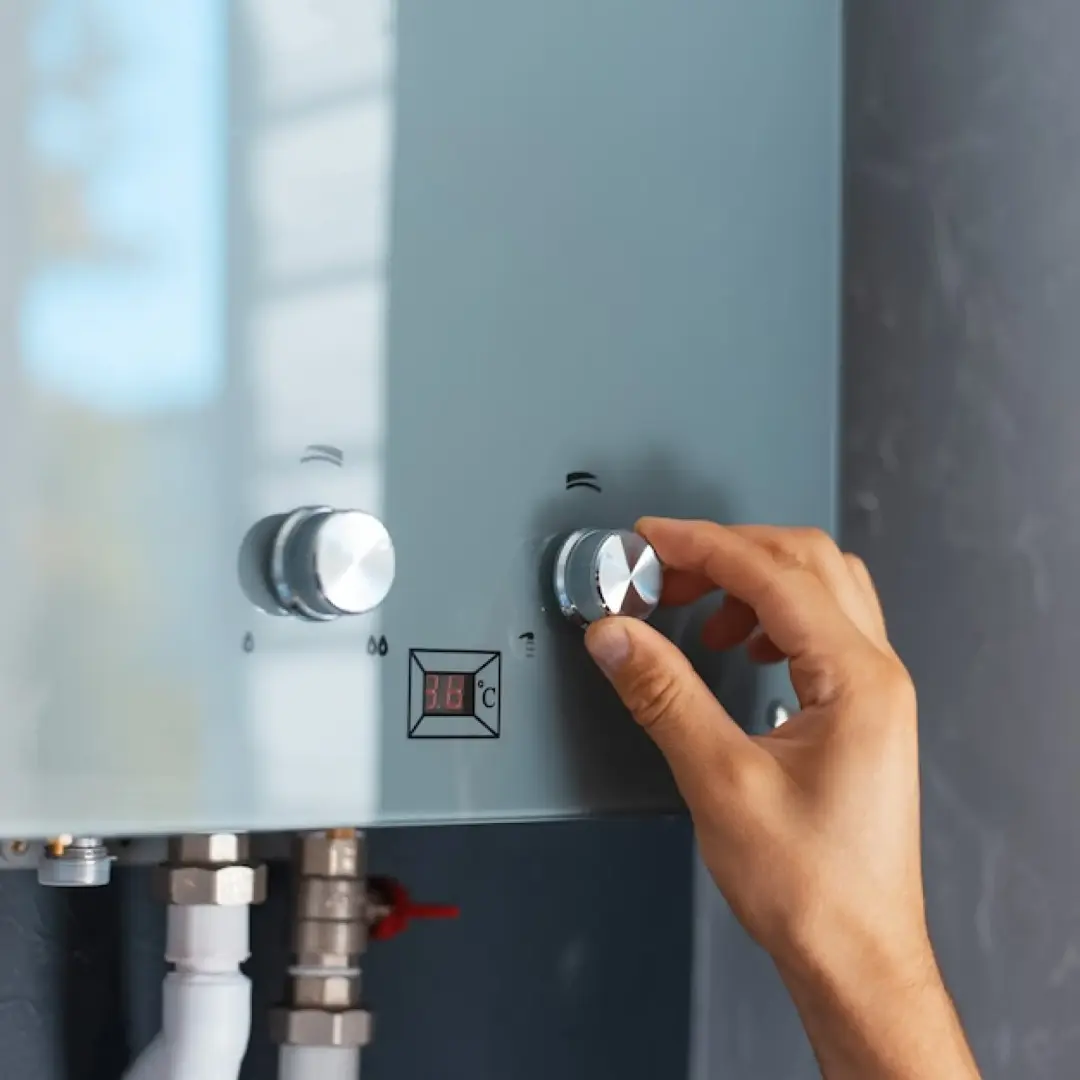
• Giving you better heating controls, such as smart thermostats and programmable timers
These heating controls allow you to change settings by time of day or room, so you only heat the areas you are using. This means you enjoy a warm home while still keeping energy use under control. A new boiler, combined with good heating controls, can play a leading role in creating a comfortable, efficient home.
Reliability, Peace of Mind and Lower Repair Costs
As boilers age, the risk of parts starting to break increases. This can lead to unexpected breakdowns, often at the worst time in winter. Dealing with emergency repairs is stressful for households and can be expensive.
Replacing your boiler before it fails completely can provide real peace of mind. A modern boiler is designed to operate reliably, with fewer faults and less need for emergency repairs. This reduces both the stress and the costs linked to keeping an older boiler going.
New boilers usually come with a manufacturer warranty that can last many years. Some models have cover that can extend up to 10 year periods when properly installed and serviced.
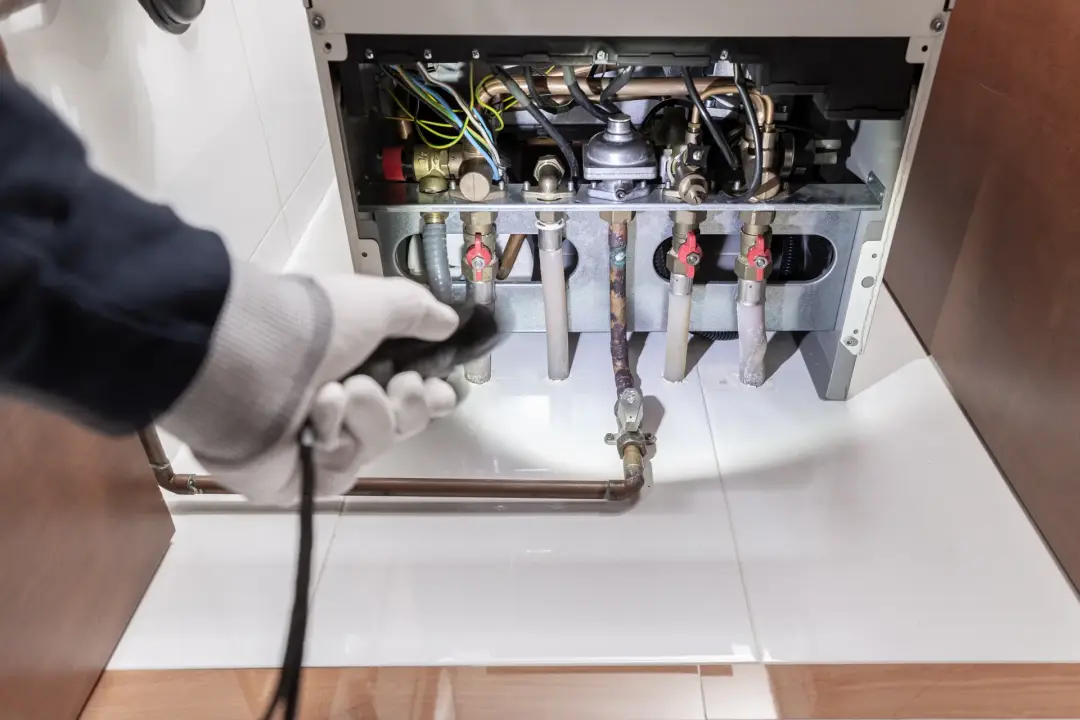
This kind of protection helps reduce the financial risk of something going wrong and allows homeowners to enjoy their heating without constant worry.
By upgrading your system, you benefit from:
• Fewer repairs and lower maintenance costs
• Reduced risk of sudden breakdowns
• The comfort of knowing your boiler is covered for years to come
This reliable performance allows you to focus on enjoying your home rather than worrying about whether the boiler will start each morning.
Safer and More Reliable Operation
Safety should always be a key part of your decision when it comes to heating your home. Older boilers can develop faults that affect their safe operation. Worn components, poor burning of fuel, or hidden leaks can all increase risk.
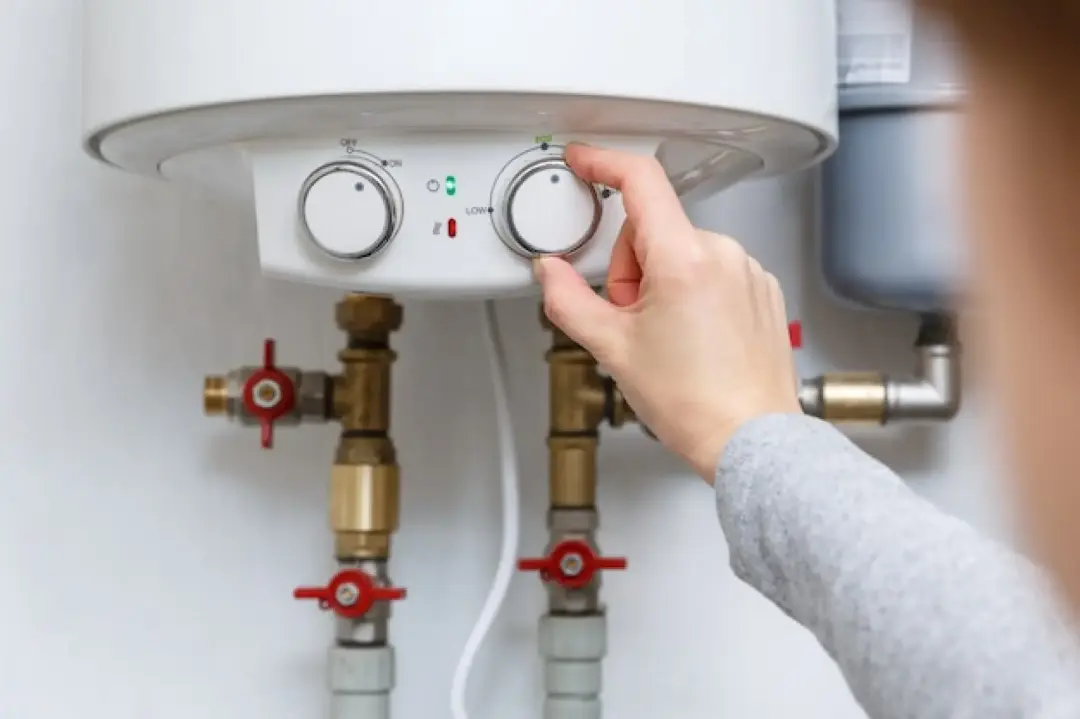
Modern boilers are designed with advanced safety features and sensors. These features constantly check how the boiler is working. If there is a problem, many modern boilers will shut down or show a clear fault code. This helps protect you and your family.
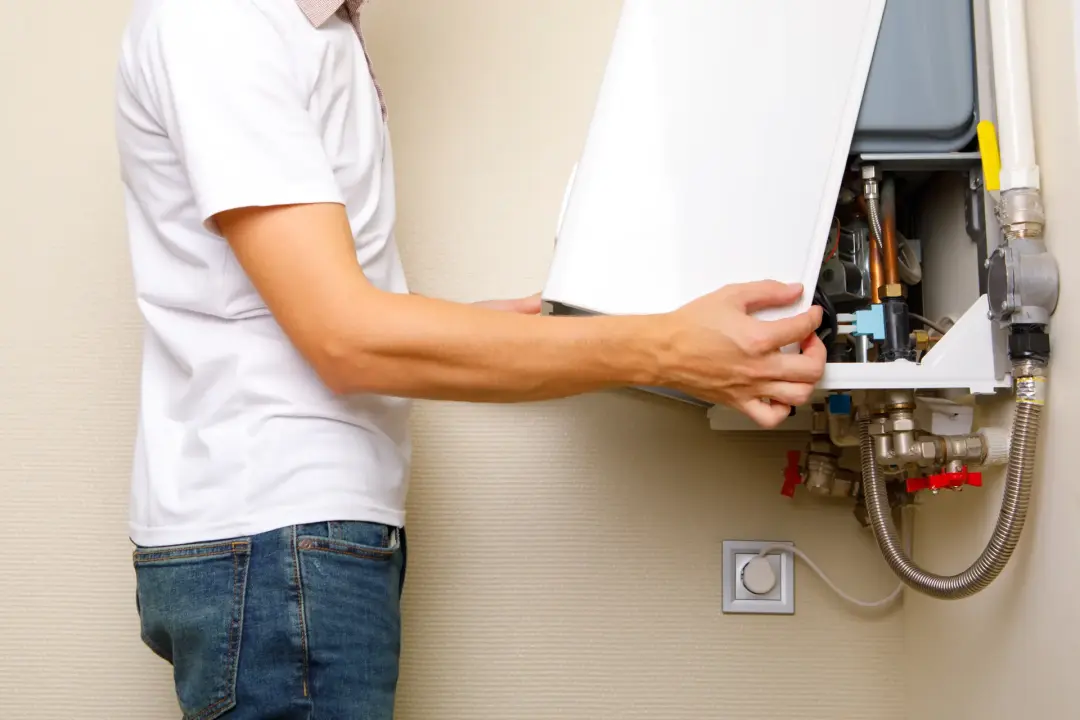
Replacing an old boiler with a new boiler means you can enjoy peace of mind that your heating system is designed to meet current safety standards and is installed to current regulations. A professional boiler installation by an authorised engineer will ensure your system is safe to operate and provide heat and hot water in a controlled and efficient way.
Better for the Environment
Replacing your boiler is not only good for your comfort and energy bills. It also helps the environment. Old boilers tend to use more fuel and produce higher carbon emissions for the same amount of heat.
Modern boilers, especially modern boilers that are highly efficient, are designed to reduce energy consumption and lower carbon emissions. This can reduce your carbon footprint and lessen the environmental impact of heating your home. Using less fuel and choosing an environmentally friendly, energy efficient boiler means:
• Lower carbon emissions
• Reduced fuel use and energy use
• A smaller environmental impact from your home heating
In many homes across the UK, older heating systems are still in place. Replacing your boiler with a newer, more efficient model is one of the most direct ways to reduce your carbon footprint without giving up warmth. For households that care about the environment, this is a clear benefit of boiler replacement.
How a New Boiler Works With Your Heating System
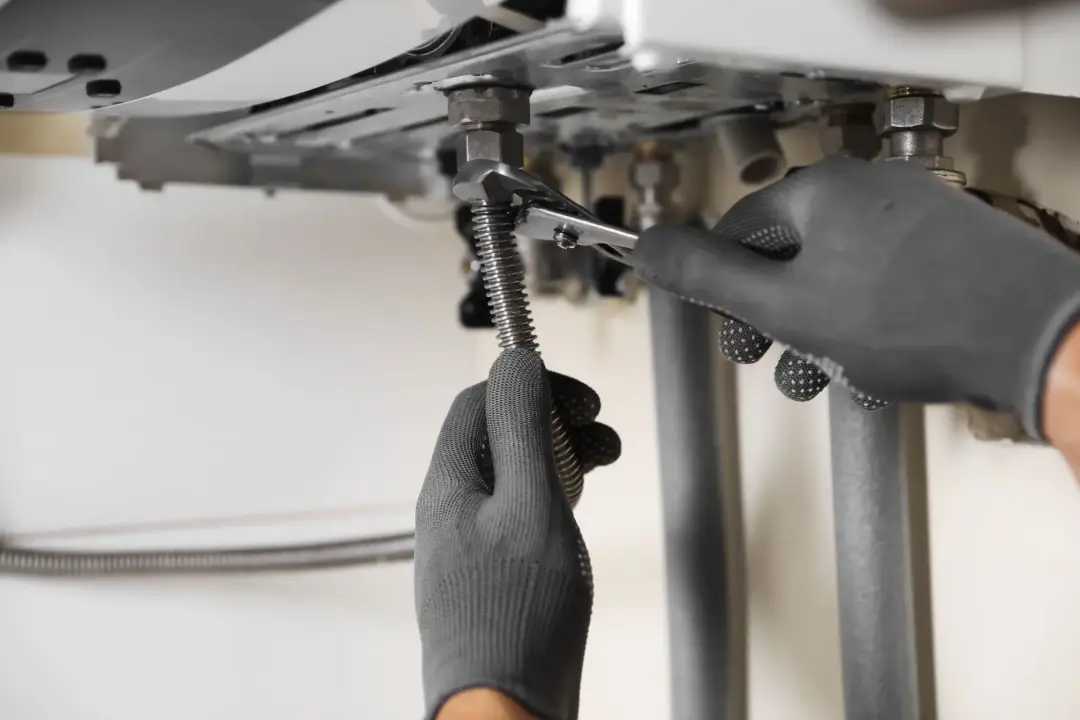
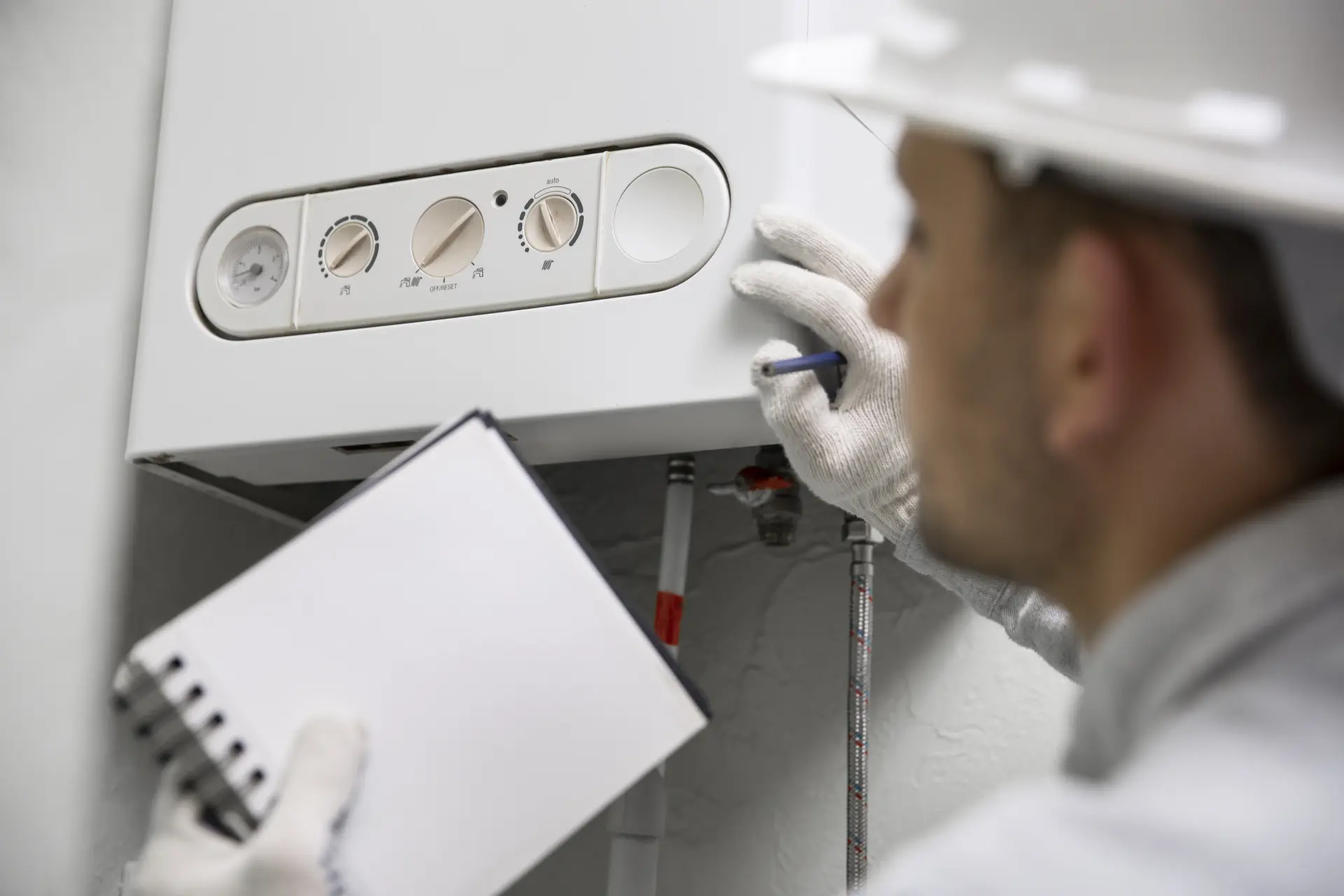
Your boiler is only one part of a larger heating system. Radiators, pipes, valves, heating controls, and hot water cylinders all play a role in how well your system can heat your home. When you install a new boiler, the engineer will check how the whole system operates.
A new boiler is designed to provide the right amount of heat for your property. If the boiler is too small, it may struggle to keep the home warm. If it is too large, it may waste energy. A proper boiler installation will match the boiler to the size of your home, the number of radiators, and the way your household uses hot water.
Older models may not work as well with modern controls or updated radiators. Installing a new boiler can be a chance to improve other parts of the heating system, such as:
• Fitting new heating controls that allow more precise settings
• Balancing radiators so each room receives the right level of heat
• Flushing out sludge from pipes so water can flow freely
This understanding of how the whole system connects means your new boiler can operate at its best, reducing wasted energy and helping your home feel comfortably warm.
Longer Lifespan and Warranty Protection
A modern boiler is designed with a longer lifespan in mind. When installed and serviced correctly, a new boiler can provide reliable heat for many years. This long term reliability is one of the key benefits of upgrading your boiler.
Many new boilers come with long warranty periods. Some include parts and labour cover for up to 10 year terms, provided you follow the servicing rules. This gives you peace of mind that, if something goes wrong, you have support in place and are less likely to face high, unexpected repair costs.
In contrast, older boilers are more likely to suffer wear and tear. Their warranties have usually ended, and parts may be harder to find. As they age, repairs can become more complex and more expensive. By choosing a boiler replacement, you benefit from a fresh warranty and a system designed to keep working well for years to come.
Government Schemes and Support
Upgrading to a new boiler and improving your heating system is also an investment in your property value. Many buyers now look closely at energy efficiency when choosing a home. An energy efficient, modern boiler with a clear service history can be a strong selling point.
A home with a reliable, efficient boiler and reasonable energy bills will often appeal more than one with an older boiler and high energy costs. Buyers may worry about the expense of replacing an older boiler soon after moving in. This can lead them to offer less to cover the likely cost of a new boiler.
By choosing to replace your boiler and upgrade your heating system, you can:
• Improve the comfort and running costs of your home while you live there
• Make your property more attractive to future buyers
• Help protect or even increase your property value over the years
Finance and Budgeting for a Boiler Replacement
Replacing your boiler is an important investment. While it can save money in the long run, the upfront cost can feel high. The good news is that there are often finance options available to help spread the cost over time.
Some installers and retailers work as a broker not a lender. This means they can arrange finance with a separate lender so you can pay for installing a new boiler in monthly instalments. When finance is offered, the firm may be authorised and regulated to arrange credit. You should always check that any business offering finance is authorised and regulated by the Financial Conduct Authority. Look for wording such as “regulated by the financial conduct authority” and check the company number on the official register.
Understanding the terms of any finance agreement is important. Check:
• The total cost over the full term
• The interest rate and charges
• What happens at the end of the agreement
This careful approach helps you make the right decision for your household budget. Although finance can help you fit a boiler replacement into your monthly costs, you should make sure the repayments are affordable and that the agreement provides clear benefit compared with paying all at once. Always read the small print and any rights reserved notices on the paperwork before you sign.
Government Schemes and Support
A modern boiler is designed with a longer lifespan in mind. When installed and serviced correctly, a new boiler can provide reliable heat for many years. This long term reliability is one of the key benefits of upgrading your boiler.
Many new boilers come with long warranty periods. Some include parts and labour cover for up to 10 year terms, provided you follow the servicing rules. This gives you peace of mind that, if something goes wrong, you have support in place and are less likely to face high, unexpected repair costs.
In contrast, older boilers are more likely to suffer wear and tear. Their warranties have usually ended, and parts may be harder to find. As they age, repairs can become more complex and more expensive. By choosing a boiler replacement, you benefit from a fresh warranty and a system designed to keep working well for years to come.
Making the Decision To Replace Your Boiler
Replacing your old boiler is a significant step, but it can bring many benefits to your home and your life. From lower energy bills and reduced maintenance costs to improved comfort and a smaller environmental impact, replacing your boiler is often a smart long term investment.
If you are living with an older boiler, facing frequent repairs, or noticing higher energy bills, it may be time to consider replacing your old boiler. Replacing an old, inefficient system with a new boiler can:
• Save money in the long run through energy savings and lower repair costs
• Reduce your carbon footprint by cutting carbon emissions and energy use Provide more reliable, safer, and better heating for your home
Older boilers will reach the end of their lifespan at some point. Planning a boiler replacement before you face a complete breakdown allows you to choose the right model, the right installer, and the right finance option for your needs.
By taking the time to understand your heating system and your choices, you can replace your boiler in a way that suits your budget and your home. This means you can enjoy a warm, efficient, and comfortable home for years to come.
A modern boiler can improve energy efficiency, lower heating bills, and keep your home reliably warm. I offer professional boiler replacement services across Nottingham, Mansfield, and Derby - handling everything from old system removal to expert installation of gas, combi, and electric boilers.